Cultural Meanings of Chinese Flower Paintings

Scoop note

Cultural Meanings of Chinese Flower Paintings

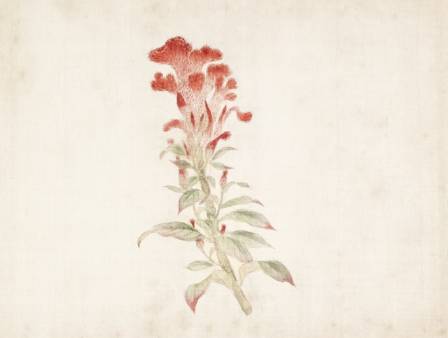
Flowers hold a special and profound place in Chinese culture, symbolizing various aspects of life, nature, and philosophy. In traditional Chinese art, customs, and rituals, flowers serve not only as symbols of beauty but also as a means of communication, conveying messages of prosperity, love, and wisdom. Each flower in China carries its own meaning, with certain blooms being deeply intertwined with Chinese traditions and beliefs. Flowers are seen as a visual language—each type of flower is chosen for its symbolic significance, linked to the plant’s health, delicacy, color, and form.

L

Luna

Cart note

Serving tip

The full scoop write-up continues below on the dessert cart.

Treat

Frozen Fruit Dessert

The Language of Flowers in China

Flowers in China are often associated with different seasons, deities, and spiritual beliefs. For instance, different flowers are given as gifts during various festivals and ceremonies, each flower expressing well-wishes or conveying messages of peace, fortune, or harmony. They are also an essential part of Chinese art, where their depiction in paintings, poetry, and decorative arts often tells a deeper story about life's cycles, beauty, and the spirit.

Tree Peonies: The "Emperor of Flowers"
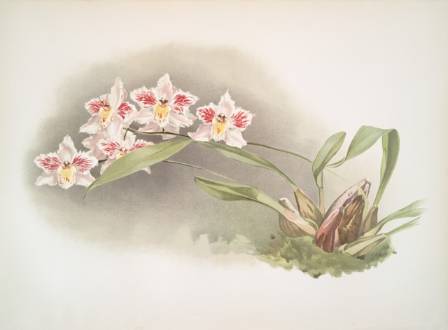
Among all the flowers revered in Chinese culture, the tree peony (Mudan) is perhaps the most celebrated. Known for its stunning beauty and grandeur, the tree peony is considered the "Emperor of Flowers." It holds a prominent place in Chinese gardens, paintings, and cultural practices. The tree peony represents wealth, fortune, luck, and prosperity. It is often regarded as a symbol of honor and nobility, closely associated with the virtues of success and happiness.
The yellow tree peony (Yao Huang) is a particularly esteemed variety, often referred to as the "Emperor of Emperors." This peony variety is characterized by its noble and elegant appearance, with its radiant petals resembling the majestic presence of a dragon in flight. The Yao Huang is not just an exquisite flower, but a symbol of ultimate grace and power, often earning it the title of "the national beauty" or "the King of Flowers" in Chinese culture.

Symbolism of Peonies

In addition to their physical beauty, tree peonies carry deep symbolic meanings in Chinese culture. The peony is often associated with good fortune and family harmony, and it is said to bring prosperity to those who cultivate or receive it. Because of its association with wealth and nobility, it is often depicted in traditional Chinese art, especially in works of painting and porcelain.

Rituals and Gift-Giving

In Chinese customs, flowers are not only appreciated for their aesthetic value but also for the messages they convey. Giving flowers as gifts is an important practice during various occasions, such as weddings, festivals, and New Year's celebrations. The choice of flowers can signify the giver's good wishes, such as red peonies symbolizing wealth, lotus flowers representing purity and enlightenment, and chrysanthemums symbolizing longevity and endurance.
Flowers also feature prominently in traditional Chinese medicine and landscape design. The blooming of a particular flower at the right time can hold auspicious meanings, and flowers are often used in ceremonies to invite good fortune or to celebrate life's most important milestones.

The Role of Flowers in Art

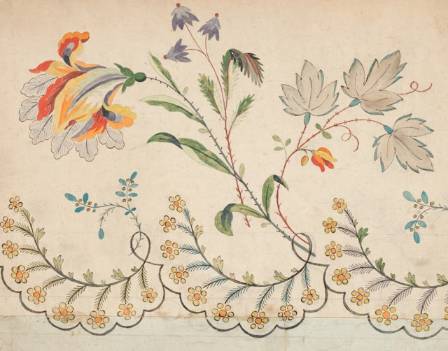
Chinese artists have long celebrated flowers in their works, particularly in traditional flower and bird paintings. These works often blend the beauty of nature with deeper symbolic meanings, where flowers, birds, and insects interact in a harmonious way. In these paintings, the peony, for example, is often depicted as a symbol of wealth and status, placed alongside other elements of nature that carry their own symbolism, such as the orchid (representing elegance) or the plum blossom (representing perseverance and hope).

Conclusion

Flowers are not merely decorative in Chinese culture—they are imbued with symbolism that reflects the values and traditions of the people. The tree peony, as the "Emperor of Flowers," is a particularly powerful symbol, representing wealth, prosperity, and the beauty of nature itself. The rituals surrounding flowers in China, from their gifting to their depiction in art, are a testament to the deep connection between Chinese people and the natural world around them.

More from the cart

🍧

Cup · en

Modern Sports Cars That Will Age Like Classics Soon

Modern Sports Cars That Will Age Like Classics Soon

Beyond ultra-rare hypercars and bespoke million-dollar builds, it’s nearly impossible to know exactly which mainstream performance cars will evolve into true collector classics. However, history gives us clues. The strongest future classics usually share a few traits: limited availability, engaging driving dynamics (often including a manual gearbox), and a personality that sets them apart from ordinary models.

🍧

Cup · en

The Familiar Wild Duck of the Northern Hemisphere

The Familiar Wild Duck of the Northern Hemisphere

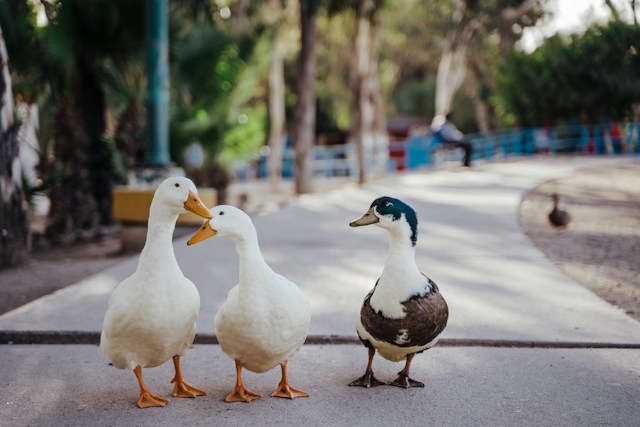
Mallard ducks are among the most common and recognizable wild ducks throughout the Northern Hemisphere. They thrive in a wide range of freshwater habitats, including ponds, marshes, streams, rivers, and lakes.

🍧

Cup · en

Heidelberg Travel Guide: 22 Unmissable Experiences in Germany’s Storybook City

Heidelberg Travel Guide: 22 Unmissable Experiences in Germany’s Storybook City

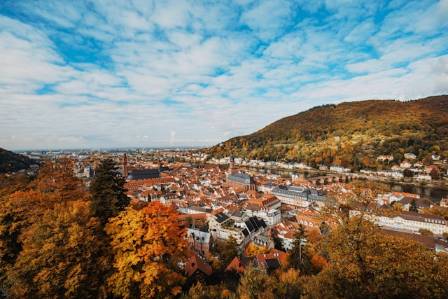
Nestled along the meandering Neckar River, Heidelberg feels like a scene torn from a fairy tale. With its medieval cobblestone streets, towering castle ruins, and the buzz of Germany’s oldest university, this charming city seamlessly blends centuries of history with lively modern energy. Whether you’re wandering the romantic Philosopher’s Walk, savoring hearty German cuisine in a cozy Gasthaus, or exploring Baroque churches, Heidelberg captivates with its timeless beauty and warm hospitality. This guide curates 22 essential things to do, plus insights on food, tours, accommodations, and day trips—everything you need to craft an unforgettable visit.

🍧

Cup · en

Mastery of Forest Illustration: A Comprehensive Creative Guide

Mastery of Forest Illustration: A Comprehensive Creative Guide

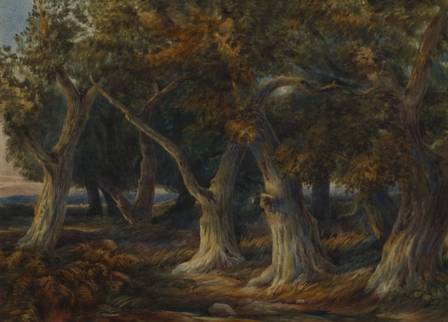
Creating a compelling forest environment requires a balance between natural chaos and artistic order. While the sheer number of plants and trees can feel overwhelming, understanding how to direct the viewer’s attention is the key to success. This guide explores the essential techniques of composition, value management, and the rendering of individual forest elements to help you build immersive, believable woodland scenes.

🍧

Cup · en

3 Best Cycling Destinations in Europe

3 Best Cycling Destinations in Europe

Are you passionate about cycling and looking for your next adventure? If so, we’ve compiled a list of some of the best cycling destinations in Europe.

🍧

Cup · en

Fresh Fruit Milkshake Tips

Fresh Fruit Milkshake Tips

Creating a milkshake with fresh fruit is both enjoyable and rewarding. It gives you the freedom to experiment with different flavors while offering a lighter, more nutritious alternative to traditional shakes. Fresh fruits add natural sweetness, vibrant color, and valuable nutrients to every glass.