The global fashion landscape is a vibrant mosaic of cultures, each weaving unique stories into fabric and design. Arab men’s clothing stands out as a particularly compelling thread, seamlessly blending centuries-old traditions with contemporary trends. Rooted in the region’s harsh desert climates, deep religious values, and rich cultural heritage, traditional Arab menswear has evolved beyond mere functionality to become a powerful expression of identity. Today, it bridges the gap between the past and present, embracing modern cuts, global influences, and sustainable practices while honoring the modesty, simplicity, and elegance that define its core. This exploration delves into the history, key styles, regional variations, and evolving trends of Arab men’s clothing, revealing how it remains both timeless and dynamically relevant in the 21st century.
Historical and Cultural Foundations of Arab Men’s Attire
Arab men’s clothing is a product of centuries of adaptation to environmental, religious, and social factors. Historically, the region’s arid, sweltering deserts demanded garments that prioritized breathability, sun protection, and comfort—hence the prevalence of loose-fitting, long robes and head coverings. These designs allowed air circulation to cool the body while shielding skin from intense heat and sandstorms. Religiously, Islamic principles of modesty (ihsan) have profoundly shaped attire, emphasizing garments that cover the body respectfully without excess or ostentation, a value reflected in the simplicity and elegance of traditional pieces. Socially, clothing has long served as a marker of identity, signifying tribal affiliations, social status, and regional belonging. Over time, trade routes and cultural exchanges introduced new fabrics and techniques, from cotton and linen brought via ancient trade networks to embroidery and weaving skills adopted from neighboring civilizations, enriching the diversity of Arab menswear while preserving its foundational purpose.
Core Traditional Garments: Definitions, Designs, and Significance
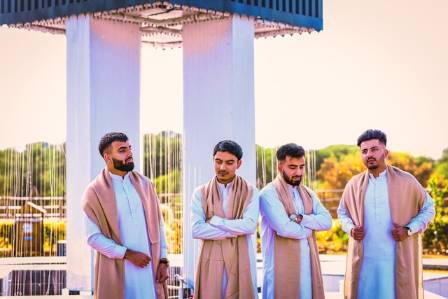
The traditional Arab men’s wardrobe is defined by a handful of iconic pieces, each with distinct characteristics and cultural resonance. The Thobe (also called Dishdasha in Kuwait, Kandura in the UAE, and Qamis in North Africa) is the centerpiece—a long, loose-fitting robe typically crafted from lightweight cotton or linen for summer, and wool for winter. Traditionally white or light-colored to reflect sunlight, Thobes are celebrated for their simplicity, though subtle variations exist: Saudi Thobes often feature a collarless design with long sleeves, while Emirati Kanduras may include delicate embroidery along the cuffs or chest for formal occasions. The Keffiyeh (or Ghutra) is a square cotton headscarf, most commonly white or red-and-white checkered (the latter associated with Jordan and Palestine, while black-and-white patterns are linked to the Gulf). Beyond practicality—protecting the head and face from sand and sun—it carries deep symbolic weight, representing solidarity, heritage, and national pride. Securing the Keffiyeh is the Agal, a black woven cord that not only holds the scarf in place but also signals respectability and social standing, with thicker or more intricate Agals often associated with elder or prominent community members. The Bisht is an elegant overgarment worn for formal events such as weddings, religious celebrations, or state ceremonies; made from luxurious fabrics like wool, camel hair, or silk, it is often adorned with gold or silver embroidery along the edges, signifying prestige and importance. Underneath the Thobe, Sirwal—loose, tapered trousers—provide additional comfort and modesty, crafted from soft cotton or linen to complement the robe’s flow. Together, these pieces form a cohesive ensemble that balances functionality, tradition, and cultural identity.
The Cultural and Religious Significance of Traditional Attire
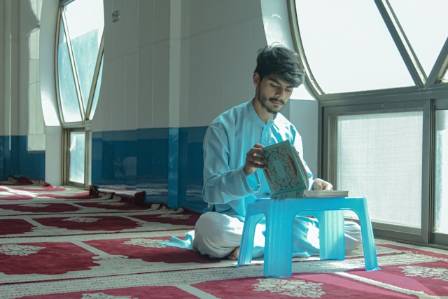
Traditional Arab men’s clothing is far more than fabric and thread—it is a tangible expression of cultural heritage and religious devotion. For many Arab men, wearing a Thobe or Keffiyeh is an act of pride, connecting them to their ancestors and community. The simplicity of the garments reflects the Arab value of humility, while their craftsmanship (often handmade or tailored with care) honors artisanal traditions passed down through generations. Religiously, the attire aligns with Islamic teachings that emphasize modesty and decency, serving as a visual reminder of one’s commitment to faith. In social settings, traditional clothing fosters a sense of unity: during Eid al-Fitr, Eid al-Adha, or national holidays, men across the Arab world don their finest Thobes and Bishts, creating a shared visual language that transcends regional differences. Even in modern times, these garments remain a symbol of cultural continuity, worn to honor traditions at family gatherings, religious events, and milestones, bridging the gap between generations and reinforcing a collective sense of belonging.
Modern Adaptations: Reimagining Tradition for Contemporary Tastes
In recent decades, traditional Arab menswear has undergone a subtle yet significant transformation, adapting to modern lifestyles and fashion preferences without abandoning its roots. Designers and brands have reimagined classic pieces with contemporary cuts, fabrics, and details: slim-fit Thobes cater to younger men seeking a more tailored silhouette, while bold colors (navy, charcoal, even pastels) and subtle patterns (pinstripes, micro-embroidery, or geometric prints) add a modern twist to the traditional palette. Fabrics have evolved too, with technical materials like moisture-wicking cotton blends or lightweight wool offering enhanced comfort for urban environments, while silk and brocade Thobes elevate the garment for semi-formal occasions. The Bisht, once reserved for the most formal events, now appears in lighter, more versatile versions—shortened lengths, unlined designs, or neutral tones—that can be layered over a Thobe for a wedding or paired with chinos for a smart-casual gathering. These adaptations reflect a desire to keep tradition relevant, allowing Arab men to honor their heritage while navigating modern life, from office commutes to international travel.
Global Fashion Influences: Fusion and Cross-Cultural Exchange
The globalization of fashion has profoundly impacted Arab menswear, particularly in cosmopolitan hubs like Dubai, Doha, and Riyadh. Young Arab men increasingly blend traditional garments with Western elements, creating a unique fusion style: a Thobe paired with designer sneakers (Nike Air Jordans or Adidas Yeezys) and a luxury watch, or a Keffiyeh draped over a tailored blazer and jeans. In professional settings, this fusion is especially prevalent—many Arab professionals wear Western-style suits with a Ghutra and Agal, balancing corporate dress codes with cultural identity. Global fashion trends like minimalism and streetwear have also left their mark: minimalist Thobes with clean lines and no embroidery appeal to modern sensibilities, while streetwear-inspired pieces (hoodies with Arab calligraphy, track pants with Sirwal-style tapering) merge urban style with traditional silhouettes. International designers, too, have drawn inspiration from Arab menswear—brands like Gucci and Dior have incorporated Keffiyeh patterns, Thobe-like robes, and Bisht-style capes into their collections, raising the global profile of Arab fashion. This cross-cultural exchange is mutual: Arab designers are also gaining international acclaim, showcasing their work at fashion weeks in Paris, Milan, and New York, and proving that traditional Arab attire can resonate with global audiences.
Regional Variations: Celebrating Diversity Across the Arab World
Arab men’s clothing is far from monolithic—regional differences reflect the unique cultures, climates, and histories of each country. In Saudi Arabia, Thobes are typically plain white and collarless, with long sleeves and a loose fit, emphasizing simplicity and tradition; the Keffiyeh is often worn with a black Agal, and Bishts are reserved for the most formal events. In Oman, men pair their Thobes with the Kumma—a round, embroidered cap—and the Mussar, a colorful turban wrapped in intricate patterns, with colors often signifying tribal affiliations. Morocco features the Djellaba, a unisex long robe with a pointed hood and full sleeves, made from wool for winter or cotton for summer, and often adorned with geometric embroidery; men may also wear the Fez (a red felt cap) for formal occasions. In Jordan and Palestine, the red-and-white checkered Keffiyeh is iconic, paired with a Thobe or a long tunic called a Thawb. Yemen showcases the Futa, a wrapped skirt-like garment worn with a short tunic, while Qatar and Bahrain feature Thobes with subtle embroidery and modern cuts, reflecting their cosmopolitan populations. These regional variations highlight the richness of Arab culture, proving that tradition can be both unifying and diversely expressive.
Attire for Cultural Events and Festivals: Honoring Tradition in Celebration
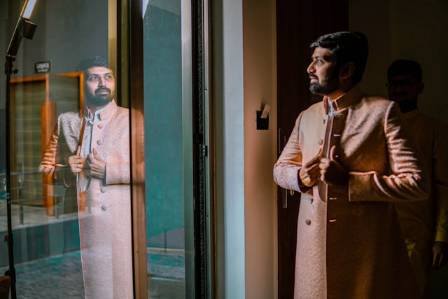
Cultural events and festivals are pivotal moments for Arab men to showcase their finest traditional clothing, turning attire into a central part of celebration. During Eid al-Fitr and Eid al-Adha, the two most important Islamic holidays, men typically wear new Thobes—symbolizing renewal, prosperity, and respect for the occasion—paired with a pressed Keffiyeh and a well-groomed Agal. Weddings are grand affairs where attire takes center stage: grooms often wear a luxurious Bisht (made from silk or camel hair with gold embroidery) over a crisp white Thobe, while male guests may opt for tailored Thobes or modern fusion outfits. Religious ceremonies, such as Hajj (the Islamic pilgrimage to Mecca), require modest, practical attire—men wear the Ihram, a simple white two-piece garment made from unstitched fabric, symbolizing equality before God and shedding all markers of social status. National holidays and cultural festivals, such as the Dubai Shopping Festival or Morocco’s Fes Festival of World Sacred Music, also see men embracing traditional attire, blending it with contemporary elements to celebrate their heritage in style. These events reinforce the role of clothing as a bridge between tradition and celebration, uniting communities through shared sartorial practices.
The Evolution of Casual Wear: Blending Tradition and Modernity
In urban centers across the Arab world, casual wear has evolved to reflect a fusion of traditional elements and global street style, catering to young men who value comfort, versatility, and cultural pride. Jeans, T-shirts, and sneakers are now staples, but they are often paired with traditional accents: a Ghutra draped loosely over a graphic tee, a Bisht-style jacket layered over a hoodie, or Sirwal-inspired loose trousers paired with a polo shirt. This fusion allows men to express their identity in everyday life—whether running errands, meeting friends, or attending casual gatherings—without sacrificing modern comfort. Brands have capitalized on this trend, creating lines that merge traditional silhouettes with casual fabrics: for example, Thobe-style shirts (short-sleeved, lightweight, and collarless) for summer, or Keffiyeh-patterned socks and accessories. Even sportswear has been influenced, with brands like Nike and Puma releasing limited-edition collections featuring Arab motifs, such as calligraphy or geometric patterns inspired by traditional embroidery. This evolution of casual wear reflects a generation that honors its roots while embracing global trends, proving that tradition can be flexible and relevant in daily life.
Social Media and Influencers: Shaping Arab Men’s Fashion Trends
Social media has revolutionized Arab men’s fashion, democratizing access to trends and empowering a new generation of style enthusiasts and designers. Platforms like Instagram, TikTok, and Snapchat have become hubs for showcasing fusion styles, with influencers (known as “content creators” in the region) sharing outfit ideas that blend traditional and modern pieces. Influencers like Hatem Alakeel (founder of Saudi brand Toby) and Khalid Al Qasimi (late Emirati designer) have gained massive followings by reimagining traditional attire for a younger audience, posting photos of slim-fit Thobes paired with luxury sneakers or Bishts layered over leather jackets. Hashtags like #ArabFashion, #ThobeStyle, and #KanduraModern have gone viral, creating global communities of fashion lovers interested in Arab menswear. Social media has also given independent designers a platform to showcase their work, bypassing traditional retail barriers and reaching international customers. Additionally, global celebrities and fashion icons—from footballers like Mohamed Salah to actors like Rami Malek—have been spotted wearing traditional Arab garments, further elevating their global appeal and inspiring non-Arab audiences to embrace these styles.
The Rise of Arab Fashion Designers: Redefining Regional Style
A new wave of Arab fashion designers is reshaping the global perception of Arab menswear, blending traditional craftsmanship with contemporary design sensibilities. Saudi designer Hatem Alakeel is a pioneer, whose brand Toby has become synonymous with modern Saudi fashion, offering Thobes in bold colors, slim cuts, and innovative fabrics (like stretch cotton and linen blends) that appeal to both local and international markets. Emirati designer Abdulaziz Al Sheikh founded his label “House of Sheikh” to celebrate Gulf heritage, creating Bishts with modern twists—such as 可拆卸 linings or minimalist embroidery—and Thobes tailored for urban lifestyles. Moroccan designer Amine Bendriouich draws on Berber traditions, incorporating hand-woven fabrics and tribal motifs into modern menswear, while Jordanian brand Zara Homme (not to be confused with the global chain) specializes in Keffiyeh-inspired accessories and Thobe-style jackets. These designers have gained recognition at international fashion weeks, from Paris to Dubai, proving that Arab menswear is not just traditional—it is innovative, luxurious, and globally relevant. Their success has also inspired a new generation of young designers to explore their cultural heritage, fostering a vibrant and growing fashion industry in the region.
Sustainability in Arab Men’s Fashion: Ethical and Eco-Friendly Trends
As the global fashion industry shifts toward sustainability, Arab menswear is following suit, with a growing emphasis on ethical practices and eco-friendly materials. Traditional Arab garments have long been inherently sustainable—crafted from natural fabrics like cotton, linen, and wool, which are biodegradable and renewable, and designed for durability (many Thobes and Bishts are passed down through generations). Today, designers and brands are building on this foundation, adopting sustainable practices such as using organic cotton (grown without pesticides) for Thobes, recycled wool for Bishts, and plant-based dyes (like indigo and saffron) for coloring fabrics. In the UAE, initiatives like the “Dubai Sustainable Fashion Week” promote eco-friendly designs, while Saudi Arabia’s “Sustainable Fashion Council” works to educate consumers and brands on ethical practices. Additionally, many designers are embracing slow fashion—creating timeless pieces that transcend trends, reducing waste, and encouraging consumers to invest in quality over quantity. This shift toward sustainability aligns with traditional Arab values of moderation and respect for the environment, proving that modern fashion can honor both heritage and the planet.
The Future of Arab Men’s Clothing: Tradition, Innovation, and Global Appeal
The future of Arab men’s clothing lies in a harmonious balance between tradition and innovation, with sustainability and global relevance at its core. As younger generations embrace their cultural heritage while engaging with global trends, we can expect to see more fusion styles—traditional garments reimagined with technical fabrics, modern cuts, and bold designs—that cater to diverse lifestyles. Technology will play a role too, with 3D tailoring, virtual try-on tools, and AI-driven design helping to make traditional attire more accessible and customizable. Internationally, Arab menswear will continue to gain traction, as global audiences increasingly appreciate its craftsmanship, elegance, and cultural depth. However, the core of Arab menswear—its emphasis on modesty, comfort, and identity—will remain unchanged. The future is not about abandoning tradition but evolving it, ensuring that Arab men’s clothing continues to be a source of pride, unity, and self-expression for generations to come.
Conclusion
Arab men’s clothing is a rich and dynamic expression of culture, tradition, and modernity, weaving together centuries of history, religious values, and global influences. From the iconic Thobe and Keffiyeh to modern fusion styles and sustainable designs, it reflects the diversity and resilience of the Arab world. More than just garments, these pieces are symbols of identity—connecting wearers to their ancestors, communities, and faith—while adapting to the demands of contemporary life. As Arab fashion designers gain global recognition and social media amplifies these styles, Arab menswear is no longer confined to the region but has become a global phenomenon, celebrated for its elegance, craftsmanship, and cultural depth. In the years ahead, it will continue to evolve, blending tradition with innovation and sustainability, while remaining true to the values that have defined it for centuries: modesty, simplicity, and pride in heritage.