Scoop note
Nine Remarkable Realities of Butterflies
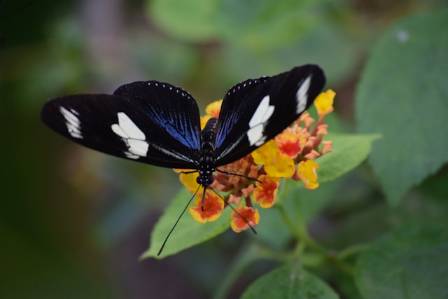
The history of butterflies stretches back much further than many realize. While the relationship between butterflies and flowers is legendary, fossil evidence suggests that butterflies preceded flowering plants, appearing approximately 200 million years ago. These resilient and visually stunning insects have spent millions of years evolving complex behaviors and biological traits that continue to surprise researchers.
Logan Pierce
Cart note
Serving tip
The full scoop write-up continues below on the dessert cart.
Treat
Frozen Fruit Dessert
The history of butterflies stretches back much further than many realize. While the relationship between butterflies and flowers is legendary, fossil evidence suggests that butterflies preceded flowering plants, appearing approximately 200 million years ago. These resilient and visually stunning insects have spent millions of years evolving complex behaviors and biological traits that continue to surprise researchers.
The Science of Wing Coloration
A butterfly’s vibrant appearance is generated through two different methods: pigment-based color and structural color. Pigment colors are chemical and remain consistent regardless of how you look at the wing. In contrast, structural colors are created by the physical shape of the wing scales, which reflect light to create an iridescent, rainbow-like shimmer. Some species, such as the Blue Morpho, utilize a combination of both to achieve their brilliant hues.
Perception Beyond the Human Spectrum
Butterflies possess a visual range that far exceeds our own. They are capable of seeing ultraviolet light, a spectrum invisible to the human eye. This hidden world of color plays a vital role in their survival and reproduction, as many butterfly wings feature ultraviolet patterns specifically designed to signal and attract potential mates.
Masters of Defensive Mimicry
To avoid being eaten, some butterflies employ deceptive appearances. The Viceroy butterfly is a famous example; it looks nearly identical to the Monarch. For a long time, scientists believed the non-toxic Viceroy was simply piggybacking on the Monarch's reputation for being poisonous to birds. However, research has revealed that Viceroys are also naturally toxic. This "mutual mimicry" serves as a double layer of protection that benefits both species by reinforcing a clear warning signal to predators.
Unique Dietary Habits and Sodium Sourcing
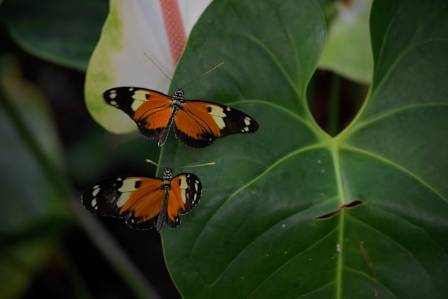
While floral nectar is their primary food source, it lacks essential minerals like sodium. To compensate, butterflies engage in a behavior known as "puddling," where they seek out nutrients in unusual places. In the Amazon, they have been documented drinking the tears of turtles to acquire salt. They also find necessary minerals in damp soil, animal waste, and even sweat.
Vital Roles in Global Ecosystems
Butterflies are secondary only to bees in their importance as pollinators. They are particularly essential for certain crops through a process known as pollination complementarity. For instance, butterflies frequently visit parts of the cotton plant that bees tend to ignore. By working in tandem with other insects to cover different sections of the same plant, butterflies significantly increase the yield of crops like cotton and almonds.
A Brief Life in the Air
The final stage of a butterfly's life is remarkably fleeting, with most adults living only one to two weeks. However, the total journey from egg to adult is much more extensive. The cycle consists of four distinct phases: the egg, the larva (caterpillar), the pupa (chrysalis), and finally the winged adult. Depending on the species and environmental conditions, this entire process can take as little as a month or as long as several years.
The Heroic Migration of the Monarch
Monarch butterflies are famous for their incredible endurance, traveling distances of up to 3,000 miles. As temperatures drop in autumn, populations from the northern U.S. and Canada navigate south to the forests of Mexico. Meanwhile, Western Monarchs migrate to the California coastline. They remain in these warmer climates throughout the winter before dispersing back across the continent when spring returns.
Environmental Threats and Habitat Loss
Despite their ancient lineage, butterflies face modern threats that are driving some populations toward extinction. Industrial agriculture and factory farming lead to massive deforestation, erasing the habitats and milkweed plants that butterflies depend on for food and reproduction. Furthermore, the widespread use of toxic pesticides like glyphosate has devastated population numbers. Recent counts of overwintering Monarchs in California reached record lows, highlighting an urgent need for habitat preservation.
More from the cart
Cup · en

3 Best Cycling Destinations in Europe
Are you passionate about cycling and looking for your next adventure? If so, we’ve compiled a list of some of the best cycling destinations in Europe.
Cup · en

10 Stunning Home Entrance Decor Ideas
Your home's entrance creates the first impression for visitors and sets the tone for your entire living space. A well-designed entryway combines style with functionality, welcoming guests while reflecting your personal aesthetic. These ten creative ideas will help you transform this crucial area into an inviting and memorable space.
Cup · en

The Europaturm in Frankfurt
Standing tall in the heart of Frankfurt, the Europaturm is one of the city’s most recognizable landmarks. Often referred to as the "European Tower," this impressive structure dominates the skyline and serves as a key telecommunications hub. Its unique design and historical significance make it a point of interest for both locals and visitors.
Cup · en

เทวรูปเทพธิดากรีกที่มีชื่อเสียง
ในตำนานเทพเจ้ากรีกโบราณ เทพธิดามีบทบาทสำคัญในการกำหนดโลกแห่งเทพปกรณัม โดยแต่ละองค์เป็นตัวแทนของพลัง คุณธรรม และสัญลักษณ์ที่แตกต่างกัน ในโลกของศิลปะคลาสสิก รูปปั้นของเทพธิดาเหล่านี้ได้รับการยกย่องว่าเป็นผลงานชิ้นเอกเหนือกาลเวลาที่ผู้คนทั่วโลกชื่นชม
Cup · en

Introduction to Ceramics: Exploring Varieties and Learning Methods
Ceramics have been integral to daily life and human progress throughout history. Archaeologists have traced their origins back thousands of years, from artistic figurines that marked cultural eras to practical items like storage vessels for grains.
Cup · en
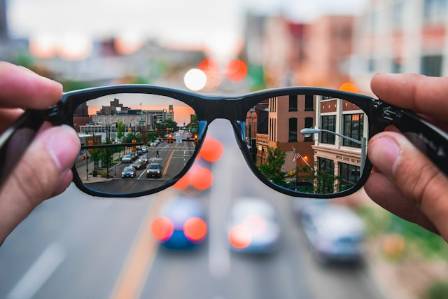
Smart Glasses: A New Generation of Wearable Technology
Smart glasses, also referred to as intelligent eyewear or smart lens devices, have emerged as a revolutionary product that combines advanced technology, practical functions, and modern design. In today’s rapidly changing digital world, these innovative glasses are transforming the way people interact with information and their surroundings.