Scoop note
Meet The Maples
It’s maple syrup season, the special part of the year when maple trees are tapped for their sweet sap. That sap is then collected and boiled down into syrup, candies, and other delicious products.
Finn Harper
Cart note
Serving tip
The full scoop write-up continues below on the dessert cart.
Treat
Frozen Fruit Dessert
It’s maple syrup season, the special part of the year when maple trees are tapped for their sweet sap. That sap is then collected and boiled down into syrup, candies, and other delicious products.
The best-known tree for this purpose is the sugar maple (Acer saccharum), but Massachusetts is also home to many other beautiful maple species.
Maple Tree Basics
Before heading outside to search for maple trees, there are a few useful characteristics to remember. One of the easiest clues is the arrangement of the branches. Maples have buds, leaves, and branches that grow in opposite pairs. Only a small number of other trees, such as ash and dogwood, have the same arrangement.
By combining this feature with clues such as the appearance of the bark and the type of habitat where the tree grows, you can often recognize a maple even when there are no leaves on the branches.
During maple season, you may also come across trees with buckets or other equipment collecting sap even though they are not sugar maples. Several other maple species can produce usable sap as well, although they are generally less favored for syrup production because their sap may be less sweet or available in smaller quantities.
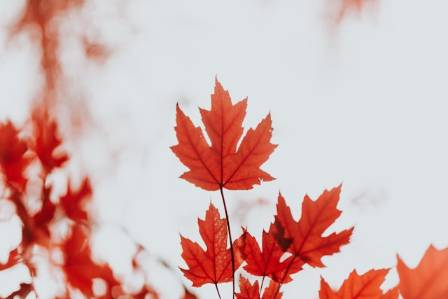
Meet the Maples
Silver Maple (Acer saccharinum)
Silver maple gets its name from the striking silvery color on the undersides of its deeply divided leaves. It is commonly found in floodplain environments, often growing near ostrich ferns that produce fiddleheads. It is also frequently planted along city streets.
Mature silver maples can reach approximately 70 feet in height and develop distinctive shaggy bark as they age.
Red Maple (Acer rubrum)
Red maple certainly earns its name because red appears throughout many parts of the tree. The leaf stems are red, the foliage often develops brilliant red colors in autumn, and the young twigs can also have a reddish appearance.
This species is exceptionally adaptable. Its natural range extends from Florida in the south to Quebec in the north. Red maples can grow in cities, upland forests, wetlands, swamps, and a wide variety of other environments.
Mountain Maple (Acer spicatum)
Mountain maple is a relatively small species that favors damp woodland environments. Its leaves are smaller and more deeply jagged than those of the striped maple.
The bark is generally brown, while the twigs have a reddish color. Its rugged appearance has sometimes led people to compare the tree to a tough mountain man.
Norway Maple (Acer platanoides)
Norway maple was introduced to North America from Europe and Asia. It is highly tolerant of challenging urban conditions, including pollution and periods of drought. However, its ability to thrive in disturbed environments has also made it problematic because its broad leaves create dense shade that can suppress native vegetation.
The bark features small ridges, providing another useful identification feature. There is also an unusual characteristic that becomes apparent when the leaves or stems are crushed: they release a milky white sap.
Many ornamental forms of Norway maple have been developed with different foliage colors. If you encounter a maple with dark purple or reddish-purple leaves, it is quite likely to be a Norway maple.
Striped Maple (Acer pensylvanicum)
Striped maple is a small tree with relatively large leaves divided into three distinct lobes. Its most recognizable characteristic is found on the bark of younger trees.
Young striped maples have attractive vertical markings in shades of green, gray, and brown, giving the trunks a striped appearance. This species is most often found in moist woodland areas.
Sugar Maple (Acer saccharum)
Sugar maple is the preferred tree for producing maple syrup because its sap generally contains a greater concentration of sugar than the sap of other maple species. The sugar content is commonly around 2 percent, although it can differ from one tree to another and can also change throughout the season.
After the sap has been processed into maple syrup, the finished product typically contains approximately 66–67 percent sugar.
Maple Sugaring
As winter begins to fade, maple trees throughout Massachusetts can start producing sap when freezing nights are followed by milder daytime temperatures. These changing temperatures create the conditions that allow sap to move through the trees.
North America is home to 13 native maple species, although only four native species are commonly tapped for their sap: silver maple, red maple, black maple, and sugar maple. The introduced Norway maple can also be tapped for sap.
Massachusetts produces roughly 50,000–60,000 gallons of maple syrup each year. Producing a single gallon of finished syrup requires approximately 40–50 gallons of raw sugar maple sap, making the collection and boiling process a substantial seasonal undertaking.
More from the cart
Cup · en

Ten Remarkable Insights Into the World of Whales
Whales are some of the most captivating residents of our oceans, encompassing a vast array of species with unique biological and behavioral traits. From the haunting melodies of the humpback to the record-breaking depths reached by beaked whales, these marine mammals continue to surprise researchers with their complexity and resilience.
Cup · en
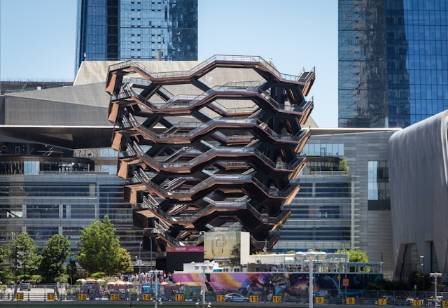
Hudson Yards: A Must-Visit Destination in New York City
New York City’s Hudson Yards has quickly become one of the most exciting neighborhoods to explore. This sprawling development on Manhattan’s West Side offers a mix of modern architecture, high-end shopping, world-class dining, and unique attractions. Whether you're a local or a tourist, Hudson Yards provides endless opportunities for entertainment, relaxation, and adventure.
Cup · en

How to Develop Creative Designing Skills: A Comprehensive Guide for Aspiring Designers
Creative designing is far more than just aesthetic appeal—it is a powerful blend of creativity, problem-solving, and visual storytelling that transforms ideas into impactful solutions. In an era where visual communication dominates every industry—from marketing and technology to education and healthcare—mastering creative designing skills has become a non-negotiable asset for anyone aiming to thrive as a graphic designer, web designer, UI/UX specialist, or branding expert. These skills enable professionals to craft designs that not only catch the eye but also resonate with audiences, drive action, and solve real-world problems. For aspiring designers, structured programs like the Bachelor of Design (B.Des) and Master of Design (M.Des) offered by the UPES School of Design serve as a strategic launchpad, equipping learners with the technical expertise, creative mindset, and industry exposure needed to stand out in a competitive landscape. This guide delves into the importance of design skills, outlines essential competencies, provides actionable steps to refine your craft, and highlights how to showcase your expertise—all to help you build a successful career in design.
Cup · en

10 Underrated Thai Dishes to Seek Out in Thailand (From a Food Adventurer’s Perspective)
As a self-described adventurous eater (who will try any dish three times to judge its true quality) and lifelong Thai food fan, Gail Carriger’s 46-hour journey to Thailand was not for tourist staples like Pad Thai. Instead, she sought out regional, home-style, and under-the-radar dishes—with the help of her Thai-American friend and fellow author Piper J Drake. Below are her top 10 lesser-known Thai dishes that stood out during her trip, plus notes on their flavors, textures, and cultural context:
Cup · en

10 Uses of AI in Everyday Life
While generative AI tools are currently grabbing headlines, artificial intelligence has been quietly shaping many areas of our lives long before these tools became mainstream.
Cup · en
How to Make DIY Clay Pet Paw Prints
Creating DIY clay paw prints is a simple and enjoyable way to celebrate pets, mark milestones, or preserve memories of beloved animals. With a few affordable supplies and some patience, you can make keepsakes that will be treasured for years. Air dry clay works especially well for this craft, and it can be used for dogs, cats, or other pets.