Scoop note
Care for a Pilea Peperomioides
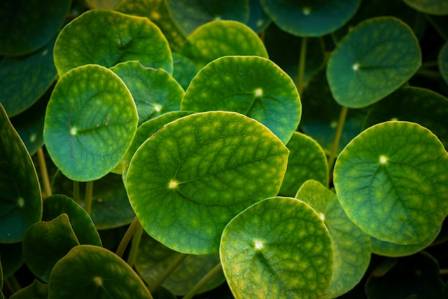
Pilea peperomioides, commonly known as the Coin Plant or Chinese Money Plant, is a perennial herb native to Yunnan Province in southern China, where it grows near the foothills of the Himalayas. This plant belongs to the Urticaceae family, also known as the nettle family.
Skye Bennett
Cart note
Serving tip
The full scoop write-up continues below on the dessert cart.
Treat
Frozen Fruit Dessert
Pilea peperomioides, commonly known as the Coin Plant or Chinese Money Plant, is a perennial herb native to Yunnan Province in southern China, where it grows near the foothills of the Himalayas. This plant belongs to the Urticaceae family, also known as the nettle family.
Members of the Urticaceae family often produce tiny stinging hairs containing irritating substances such as histamines. Ouch! The flowers of Pilea peperomioides are very small and simple, appearing in clusters of reduced, separate male and female blooms. Many plants within this family are considered weeds, although some species of Urtica are traditionally used to make herbal teas for issues related to blood circulation and menstrual health.
The Mystery Behind the Coin Plant
For many years, Pilea peperomioides was something of a botanical mystery, especially in the United Kingdom. Houseplant owners would send samples from collections dating back to the 1970s and later to Kew Gardens for identification. However, experts often returned uncertain answers, suggesting possibilities such as “perhaps a Peperomia,” requesting flowers for further study, or explaining that sterile plant material could not be identified.
The mystery was finally solved in 1978 when Mrs. D. Walport from Northolt sent both leaves and a flowering structure to Kew Gardens. The sample confused botanists because the foliage resembled Peperomia, while the flower structure looked more like a Pilea.
When scientists encounter uncertain plant identities, they often examine historical herbarium records to search for similar examples. Kew botanist Wessel Marais discovered that the plant had already been described by German botanist Friedrich Diels as Pilea peperomioides.
The scientific name is very fitting because “peperomioides” means “resembling Peperomia.” Although Diels officially introduced the plant to botanical science in 1912, earlier specimens had already been collected in 1910 by explorer George Forrest from the Tsangshan mountain range in western Yunnan. This mountain area reaches nearly 14,000 feet (4,250 meters) above sea level, just west of the historic city of Dali.
History and Worldwide Spread
Although Pilea peperomioides was scientifically described in the early 20th century, it had actually been grown locally as an ornamental plant by people in Yunnan for many years. However, like many other Pilea species, it was considered relatively unimportant and received little attention.
Despite being officially named in 1912, the plant was largely forgotten for nearly three decades. In 1946, it was rediscovered and brought to Norway by Norwegian missionary Agnar Espegren after political changes in China led to the removal of many foreigners and religious workers.
From Norway, the plant spread through personal exchanges between friends and plant enthusiasts. Eventually, it traveled around the world and became a beloved houseplant. Because there was little commercial demand for it for many years, large-scale cultivation did not begin until the late 2010s.
The popularity of the Coin Plant proves that a plant’s value is not always determined by commercial success. Sometimes, a simple and charming plant can become treasured through the connections it creates between people.
General Care for Pilea Peperomioides
Sunlight Requirements
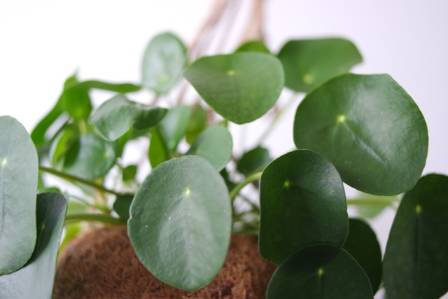
Pilea peperomioides grows best in medium to bright indirect light. It can tolerate several hours of direct sunlight as long as the exposure is not too intense.
Providing adequate light helps maintain healthy growth and encourages the plant’s attractive round leaves to develop properly.
Watering Needs
Water your Coin Plant approximately every one to two weeks, allowing the soil to dry out between waterings.
Plants placed in brighter locations may need water more frequently, while those growing in lower light conditions will require less frequent watering. Avoid keeping the soil constantly wet, as excess moisture can damage the roots.
Humidity Requirements
Normal indoor humidity levels are generally suitable for Pilea peperomioides. It does not require special humidity conditions and adapts well to typical household environments.
Temperature Preferences
The ideal temperature range for this plant is between 55°F and 85°F (13°C to 30°C). Avoid exposing it to temperatures below 50°F (10°C), as cold conditions may cause stress and damage.
Common Problems
Pilea peperomioides is considered a very easy-care houseplant and usually has few problems. However, it can occasionally be affected by pests such as spider mites and mealybugs.
If these pests appear, treat the plant promptly with weekly applications of horticultural oil, such as neem oil, and regularly clean the leaves to prevent further infestations.
Plant Symptoms and Causes
Wilting leaves or curled foliage combined with dry soil usually indicate that the plant is not receiving enough water.
Yellow leaves or blackened stems are often signs of overwatering, which can lead to root problems and plant decline.
Safety Information
Pilea peperomioides is considered safe for pets and is a pet-friendly houseplant.
However, as a general precaution, it is always best to keep indoor plants away from small children and animals to prevent accidental damage or ingestion.
More from the cart
Cup · en
Five ways to use tarot cards that aren’t fortune telling
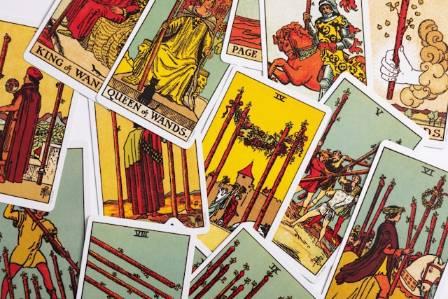
When most people hear “Tarot cards,” they immediately imagine fortune-telling or crystal-ball-style predictions about the future. I used to think exactly the same way for years. While Tarot is often used for divination, limiting it only to that purpose misses most of its potential. In fact, I personally use Tarot almost every day—but not for predicting outcomes.
Cup · en
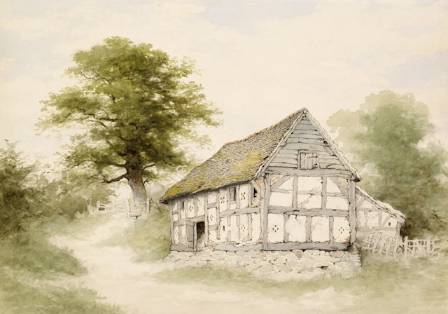
Mastering the Art of Painting a Charming Country Cabin
Capturing the essence of a serene, rustic cabin through painting is a delightful way to explore texture, light, and natural surroundings. This guide focuses on the fundamental steps required to transition from a simple concept to a finished, evocative landscape. Whether you are using watercolor to achieve a soft, ethereal glow or another medium for a more structured look, the core principles of building an outdoor scene remain constant.
Cup · en
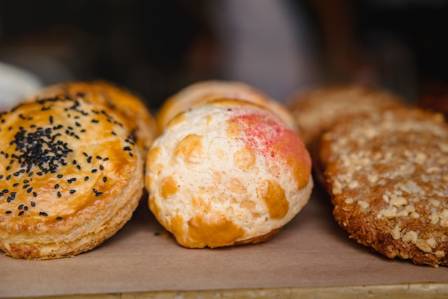
Subtly Sweet Chinese Pastries And Desserts
Growing up in a Chinese-American household, traditional sweets were a rare treat. Desserts usually appeared only on special occasions—during gift-giving holidays like the Mid-Autumn Festival, we’d receive ornate tins of mooncakes filled with smooth lotus paste, and major birthday parties meant sponge cakes infused with custardy durian.
Cup · en

Mastering Nocturnal Scenes: An Analysis of Twelve Famous Night Paintings
The subject of night presents a unique and evocative challenge for painters. It pushes artists to move beyond literal representation to capture mood, atmosphere, and the nuanced interplay of light within darkness. The following collection examines twelve significant artworks that successfully depict the nocturnal world, revealing the artistic techniques that bring these scenes to life.
Cup · en

Choosing the Right Electric Scooter
We live in a world filled with countless choices, particularly when it comes to the products we purchase. From everyday essentials such as toothbrushes to major electronics like televisions, consumers can choose from hundreds of brands and models that often differ only in small details. When we buy products we have used for years, we usually know what works for us, so making a decision is relatively simple.
Cup · en

The Healing Power of Art and Drawing
Stuck one evening in heavy traffic on Santa Monica Boulevard, exhausted physician Kurlen Payton, MD, noticed a green-and-gold ficus tree glowing under streetlights. At the time, he was in the early stage of his career as a neonatal intensive care specialist at Cedars-Sinai and raising two young children. That brief moment inspired him to make a quick sketch—and that single drawing marked the beginning of a lasting habit.