Scoop note
Rainbow Bee-eater: Australia’s Colorful Aerial Acrobat
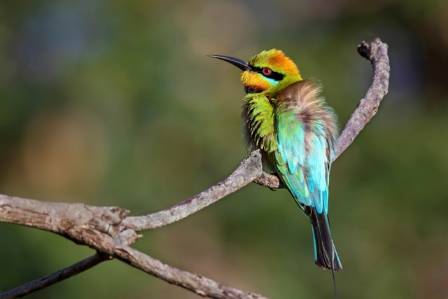
If you have ever seen a bird performing incredible twists, turns, and sudden dives through the sky, you may have witnessed the impressive skills of a Rainbow Bee-eater.
Alice Rowan
Cart note
Serving tip
The full scoop write-up continues below on the dessert cart.
Treat
Frozen Fruit Dessert
If you have ever seen a bird performing incredible twists, turns, and sudden dives through the sky, you may have witnessed the impressive skills of a Rainbow Bee-eater.
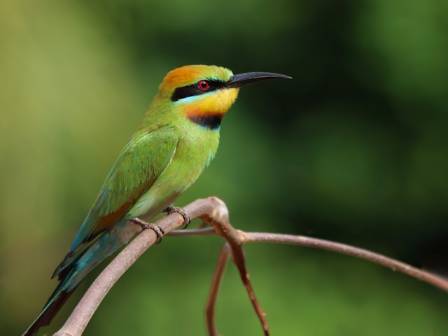
With its bright feathers, curved narrow bill, and unique tail feathers, the Rainbow Bee-eater (Merops ornatus) is one of Australia’s most eye-catching birds. However, its beauty is only part of its story. These birds are highly skilled hunters, using speed, accuracy, and impressive flying ability to catch insects while soaring through the air.
Habitat and Distribution
Rainbow Bee-eaters are found throughout much of Australia, although they are absent from the driest desert areas. Their range also extends into eastern Indonesia, New Guinea, and occasionally the Solomon Islands.
They prefer open environments such as woodlands, light forests, shrublands, and cleared landscapes near water sources. These areas provide suitable places for hunting insects and creating nesting burrows.
Expert Insect Hunters
Flying insects make up the majority of a Rainbow Bee-eater’s diet. Although bees and wasps are among their preferred prey, they also eat dragonflies, beetles, butterflies, and moths.
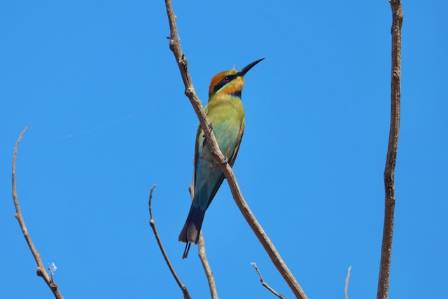
These birds often wait patiently on exposed branches, fences, or wires while watching for movement. Once they spot a potential meal, they quickly launch into the air and chase it with remarkable speed. Their ability to make sharp turns and sudden movements allows them to capture insects while still flying.
After catching prey, the bird usually returns to a perch before eating. Bees and wasps require extra preparation because of their dangerous stings. The Rainbow Bee-eater carefully strikes the insect against a branch to remove the sting and venom sac, making the meal safe to consume.
Nesting and Family Life
During breeding season, male and female Rainbow Bee-eaters cooperate to build their nesting site. They dig long tunnels into sandy ground, with the nesting chamber located at the end. These underground tunnels can extend more than one metre and may sometimes include grass or other soft materials.
Both parents take part in incubating the eggs and feeding the chicks after they hatch. In some cases, other members of the group assist the breeding pair by helping care for and feed the young.
Role in the Ecosystem
The Rainbow Bee-eater is currently classified as a species of Least Concern, and its population remains stable. However, these birds still depend on suitable habitats where they can hunt, build nests, and raise their offspring.
As insect-eating birds, Rainbow Bee-eaters contribute to maintaining balance in their ecosystems by naturally controlling insect numbers. Protecting native landscapes ensures that these colourful birds can continue bringing movement and beauty to Australia’s skies.
Interesting Facts About Rainbow Bee-eaters
Aerial Hunters
Rainbow Bee-eaters capture insects while flying and often perform amazing spins, dives, and sharp turns during the chase.
Bee Specialists
They have a special method for eating bees and wasps by removing the sting and venom parts before swallowing them.
Wide-Ranging Birds
They are distributed across large areas of Australia and can also be found in parts of Indonesia, New Guinea, and the Solomon Islands.
Skilled Tunnel Builders
Both parents work together to create long underground nesting tunnels in sandy soil.
Cooperative Families
Some Rainbow Bee-eater pairs receive help from other birds when feeding and caring for their chicks.
More from the cart
Cup · en
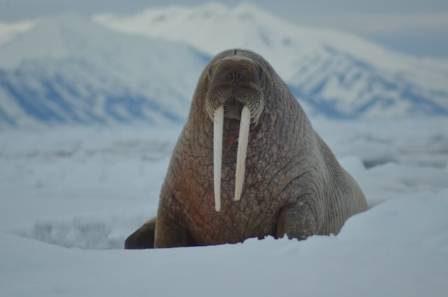
Essential Insights Into the World of Walruses
Walruses are among the most magnificent wonders of the polar regions. These massive marine mammals play a vital role in the Arctic ecosystem, yet they face increasing challenges due to environmental shifts. Understanding their biology and behavior is the first step toward appreciating these unique ocean dwellers.
Cup · en

Best Off-Road SUVs in 2026
Few people remember the COVID-19 pandemic fondly, but one unexpected outcome was the surge in interest in outdoor recreation. Activities such as camping, overlanding, and off-roading attracted a huge number of newcomers during lockdowns and travel restrictions. Although off-road travel had already been growing in popularity throughout the previous decade, the pandemic accelerated the trend dramatically.
Cup · en

Thirteen Architectural Wonders Every Student Should Know
Architecture has always been a reflection of culture, history, and innovation, telling stories through stone, glass, and steel. Across the globe, certain structures stand out not only for their breathtaking design but also for their cultural significance and technological achievements. For students of architecture and enthusiasts alike, these extraordinary buildings provide invaluable lessons in creativity, engineering, and human expression. Below is an exploration of thirteen of the most remarkable architectural landmarks worldwide, each one offering unique insights and inspiration.
Cup · en
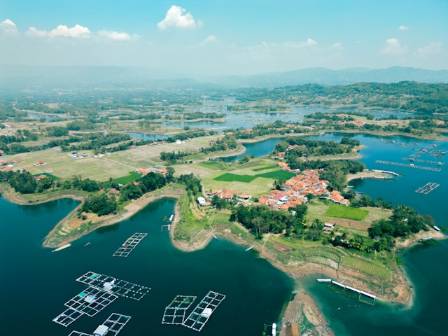
Niagara Falls: Nature's Masterpiece Unveiled
Niagara Falls, a resplendent symbol of natural grandeur, stands as a global marvel that unerringly captures the hearts of all who lay eyes upon it. Nestled on the border of the United States and Canada, this pristine testament to nature's artistry comprises three distinct waterfalls – Horseshoe Falls, American Falls, and Bridal Veil Falls. Within the confines of this narrative, we shall delve into the geological ancestry, awe-inspiring allure, and cultural significance that enshrouds the captivating Niagara Falls.
Cup · en
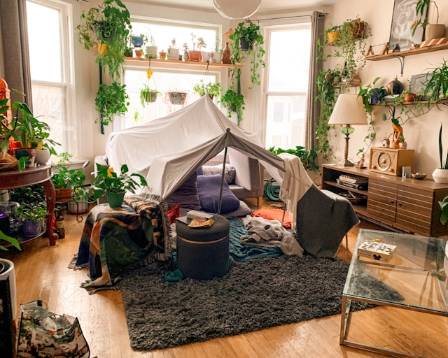
How to Pick the Ideal Indoor Teepee for Your Child: A Parent’s Guide to Smart Stylish and Safe Play Areas
Indoor teepees are more than just a fashionable decor piece—they serve as hideaways, reading corners, sensory-friendly spots, and powerful tools for imaginative play. In this ultimate guide, we’ll help you navigate the world of indoor teepees to ensure you make the best purchase for your home and your child’s needs.
Cup · en
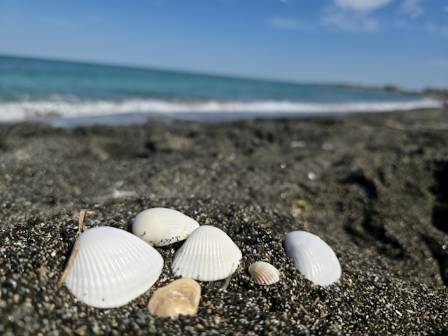
Beachcombing & Seashells
The Turks and Caicos Islands are surrounded by a remarkable marine ecosystem filled with colorful coral reefs, clear waters, and abundant sea life. Because of this rich underwater environment, visitors can discover a wide range of beautiful seashells along the islands’ beaches and shorelines. Many tropical Atlantic shell species found throughout the Caribbean and Gulf of Mexico can also be seen here.