Scoop note
Flamingos are Tougher Than They Look
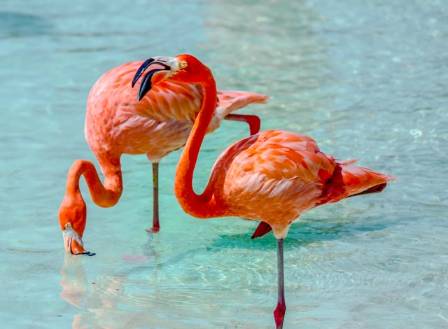
Flamingos are famous for their bright pink feathers, graceful appearance, and connection with warm coastal regions. However, their true homes are often far from gentle tropical landscapes. Many flamingos survive in challenging environments that can be harsh, isolated, and even dangerous for most other animals. There are six recognized flamingo species, and each one has developed special adaptations that allow it to live in demanding habitats around the world.
Elizabeth Sanders
Cart note
Serving tip
The full scoop write-up continues below on the dessert cart.
Treat
Frozen Fruit Dessert
Flamingos are famous for their bright pink feathers, graceful appearance, and connection with warm coastal regions. However, their true homes are often far from gentle tropical landscapes. Many flamingos survive in challenging environments that can be harsh, isolated, and even dangerous for most other animals. There are six recognized flamingo species, and each one has developed special adaptations that allow it to live in demanding habitats around the world.
Greater Flamingos and Salty Wetlands
The Greater flamingo is the largest member of the flamingo family and is well known for its ability to survive in salty environments. These birds inhabit coastal lagoons, salt marshes, estuaries, and salt flats across parts of Europe, Asia, and Africa.
Their uniquely shaped bills allow them to filter tiny organisms from the water, including small crustaceans, algae, and insects. This feeding method helps them take advantage of food sources in saline habitats where many other animals cannot survive.
Lesser Flamingos and Alkaline Lakes
Lesser flamingos are specially adapted to live in some of the most extreme waters on Earth. They are mainly found in soda lakes throughout Eastern and Southern Africa, where the water contains very high levels of alkaline chemicals.
Some of these lakes are so harsh that they can damage the skin of other animals that enter the water. Tanzania’s Lake Natron, for example, has a pH level close to that of household bleach. However, lesser flamingos have evolved strong skin and protective scales on their legs that help prevent injury.
This species is especially connected to these environments, with around 75% of the global lesser flamingo population being born around these soda lakes.
Flamingos of South America
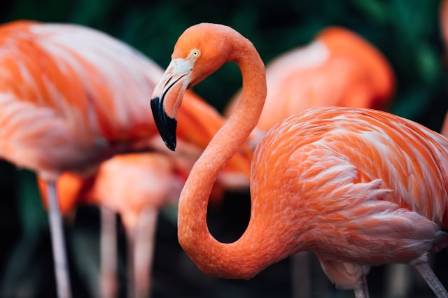
South America is home to three flamingo species: the Chilean flamingo, Andean flamingo, and James’s flamingo. Each species has adapted to different landscapes across the continent.
Chilean and James’s flamingos usually live around saltwater lagoons, wetlands, and coastal salt flats in remote areas. Andean flamingos, however, survive in some of the harshest conditions by living in high-altitude saline lakes and marshes within the Andes Mountains.
At these extreme elevations, temperatures can drop so low that the water freezes overnight. When this happens, flamingos may have to remain still until sunlight melts the ice around their legs. To survive the cold, their bodies use a special heat-exchange system: warm blood flowing from the body helps heat cooler blood returning from the feet, reducing energy loss.
American Flamingos and Their Unique Abilities
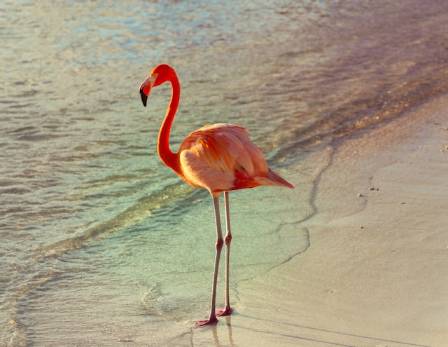
The American flamingo is the only flamingo species native to the United States. They are mainly found in southern Florida and throughout many areas of the Caribbean.
Although their usual range is in warmer regions, some individuals have been observed much farther north, including sightings in Wisconsin after powerful storms.
American flamingos, like other flamingo species, have impressive survival skills. When freshwater is unavailable, they can drink saltwater and remove excess salt through special glands near their nostrils. They are even capable of drinking extremely hot water from geothermal sources such as geysers.
Protecting Flamingos and Their Fragile Environments
Flamingos are remarkable examples of animals that have adapted to some of the planet’s most unusual and extreme habitats. Their ability to survive in salty lakes, frozen mountain wetlands, and harsh coastal regions shows their incredible resilience.
However, many of these unique environments are vulnerable to human disturbance, pollution, and habitat changes. Protecting these fragile ecosystems is essential to ensuring that flamingos can continue to thrive in the wild and maintain their place among Earth’s most fascinating birds.
More from the cart
Cup · en

6 Affordable Home Accents: Elevate Your Space Without Breaking the Bank
If you find yourself nodding along to the questions above, we've got exciting news for you! This exclusive blog post is dedicated to budget-friendly decorating, featuring a curated collection of our favorite Ballard products, all priced under $100. From wall decor to candle holders, discover affordable finishing touches to enhance your home without draining your wallet.
Cup · en

How to Wear and Style a Leather Belt: Tips for Him and Her
A leather belt is more than a practical accessory—it can refine your outfit and add a touch of sophistication to any look. Whether you want to complete a casual ensemble or enhance a formal outfit, understanding how to wear and style a leather belt is essential. This guide provides insights and tips to help you choose, wear, and maintain belts with confidence.
Cup · en

Who Will Claim the IPL 2025 Title? Predictions and Betting Odds for the Upcoming Season
The IPL 2025 mega auction, held on November 24 and 25, has now concluded, with all ten teams finalizing their squads for the 18th season of the prestigious tournament.
Cup · en
All true spider monkeys are on the verge of extinction
Spider monkeys are members of the genus Ateles and are known for their remarkably long arms and legs as well as their curved, hook-like hands. These specialized physical traits help them travel quickly and efficiently through the forest canopy.
Cup · en

The Best Vegetable Salad Recipes
These simple, editor-loved salad recipes are perfect for taking advantage of the abundance of fresh produce arriving at farmers markets during spring and summer. When the weather warms up, crisp vegetables, juicy tomatoes, and colorful seasonal ingredients truly shine in light, refreshing dishes.
Cup · en
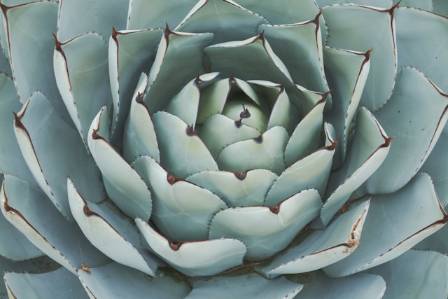
How to Paint Succulents
watercolor painting is one of the most expressive and free-flowing art forms, making it perfect for capturing the soft, natural beauty of plants. among the most popular botanical subjects are succulents—thanks to their sculptural shapes and subtle yet rich color variations, they are excellent for practicing watercolor techniques.