Scoop note
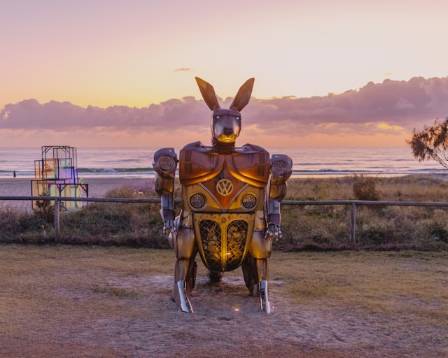
Robots Designed Like Animals
Humans have become remarkably skilled at building machines that imitate the structure and movement of animals.
Nathan Young
Cart note
Serving tip
The full scoop write-up continues below on the dessert cart.
Treat
Frozen Fruit Dessert
Humans have become remarkably skilled at building machines that imitate the structure and movement of animals.
What sets these creations apart, however, is their purpose—they are designed to serve human needs. By studying how animals move and behave, engineers have developed robotic creatures that can handle tasks ranging from surveillance to exploration. Here are five fascinating examples of robots modeled after living organisms.
Jollbot
Although it lacks the legs of a grasshopper, Jollbot can leap in a similar way. Designed by Rhodri Armour at the University of Bath, this spherical robot can roll across uneven terrain and hop over obstacles using a lightweight, spring-based framework. Motors tighten internal springs, which then release energy to propel the robot nearly two feet into the air. Its ability to move efficiently across rough surfaces makes it a potential candidate for planetary exploration. Jollbot was created using rapid prototyping techniques, where layers of plastic are built up to form a 3D structure.
RoboSwift
Modeled after the swift—a bird known for spending most of its life in flight—RoboSwift is a small, highly agile flying robot. Its wing design can be adjusted mid-flight using a push-rod system, similar to how real swifts alter their wings when chasing insects. While its wings do not flap like those of true ornithopters, its shape closely resembles a bird, making it difficult to detect from a distance. Developed under the guidance of Dr. David Lentink at Wageningen University, the project aims to eventually equip RoboSwift with GPS and cameras for autonomous flight.
Robofish
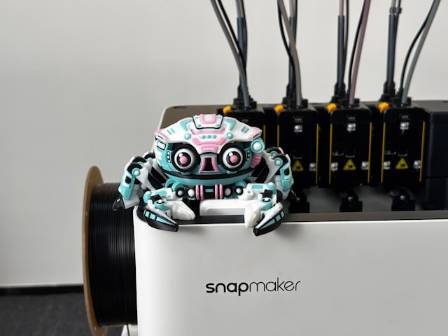
At the University of Washington, researchers have created robotic fish capable of communicating with one another underwater. These robots move using fins, closely mimicking real fish. Roughly the size of a medium salmon, they are designed to monitor underwater environments, such as tracking pollution or observing aquatic life that is difficult to study directly.
Robotic Fly
Recreating something as small and complex as a housefly is a major engineering challenge. After nearly ten years of development, scientists at Harvard succeeded in building a micro-robot that replicates the flight of a fly. Weighing only 60 milligrams with a wingspan of about 3 centimeters, this tiny robot could be useful in search-and-rescue missions or reconnaissance in hard-to-reach places. The main challenge ahead is fitting sensors, power sources, and control systems into such a compact design.
AirJelly and AquaJelly
Festo, a German engineering company, has designed two robots inspired by jellyfish movement. The AirJelly floats using a helium-filled chamber and is powered by just two lithium-polymer batteries, representing progress toward lighter-than-air flight technologies. Its underwater counterpart, AquaJelly, operates autonomously and uses infrared LEDs to communicate with other robots and docking stations within a short range. Together, these designs showcase how fluid, natural motion can be translated into robotic systems.
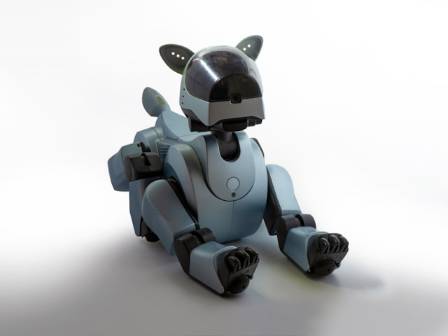
These animal-inspired robots demonstrate how nature continues to guide innovation, helping engineers create machines that are both efficient and versatile.
More from the cart
Cup · en

Amazing Places to See Along the Washington Coast
Wild, rugged, and wonderfully isolated, the Washington Coast offers a breathtaking journey with every mile traveled along U.S. Route 101, from the mouth of the Columbia River to the farthest reaches of the Olympic Peninsula. Unlike many popular coastal destinations, this region remains largely untouched, with only a handful of small communities scattered along the shoreline. The lack of development allows visitors to enjoy true solitude, peaceful landscapes, and the dramatic beauty of the Pacific Northwest.
Cup · en
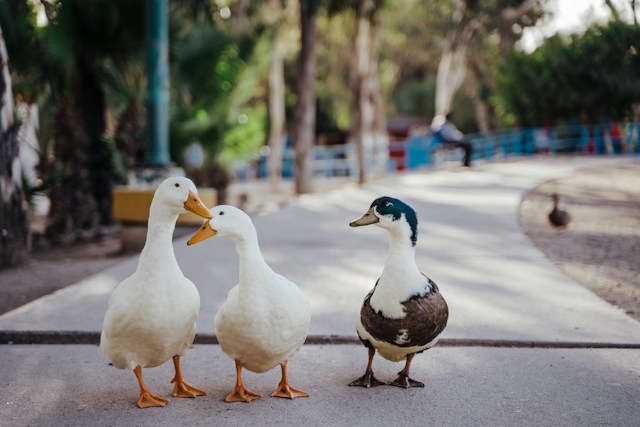
The Familiar Wild Duck of the Northern Hemisphere
Mallard ducks are among the most common and recognizable wild ducks throughout the Northern Hemisphere. They thrive in a wide range of freshwater habitats, including ponds, marshes, streams, rivers, and lakes.
Cup · en
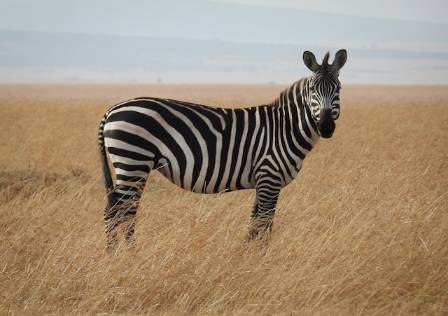
Eight Surprising Facts You Should Know About Wild Zebras
These striped creatures are truly magnificent. They thrive across the African wild. Their unique patterns hold many evolutionary secrets.
Cup · en
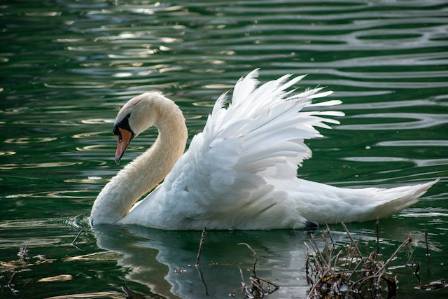
Everything you need to know about mute swans
Mute swans are a familiar sight on ponds, lakes, rivers, and other waterways in urban areas. Because they often live close to towns and cities, many people encounter them during everyday walks and exercise near their homes. They are the largest and heaviest waterfowl species in the British Isles and are also the only swan species there that remains year-round rather than migrating. However, they may still travel to different parts of the country during winter when better feeding opportunities are available.
Cup · en
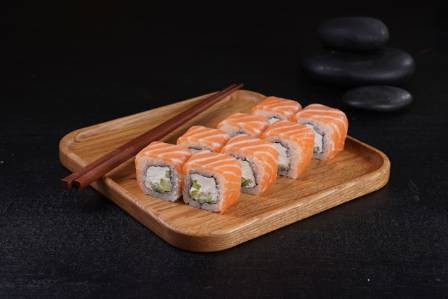
Distinguishing Traditional Japanese Sushi from Modern Innovations
Sushi has evolved into a global culinary phenomenon, cherished far beyond its island origins. However, the experience of eating sushi can vary greatly depending on whether the preparation follows centuries-old customs or modern, localized adaptations. Understanding the contrast between these two styles allows diners to appreciate both the heritage of the craft and the creativity of contemporary fusion.
Cup · en
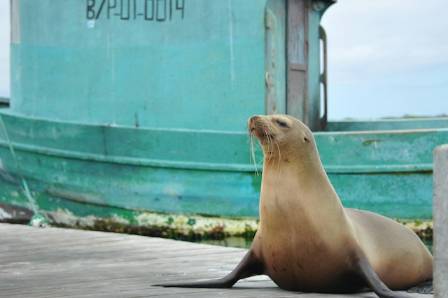
Facts About Sea Lions
Sea lions are among the most charming animals you can encounter in the ocean. Their name may not actually be the most fitting one, either. Calling them “sea puppies” might be more appropriate. Of course, that is simply a matter of opinion. If you want to learn some fascinating facts about these marine mammals, including how sea lions differ from seals and what they eat, here are fourteen things worth knowing.