Scoop note
Antelope Canyon and the shape of light
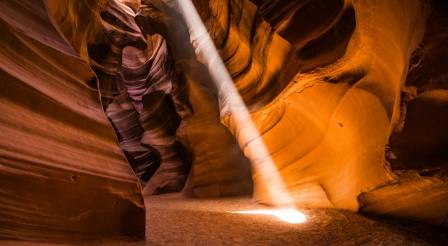
Some places leave an impression because of their enormous scale, but Antelope Canyon remained in my memory for a completely different reason. It felt unlike any other location I had photographed before, as if sandstone, darkness and reflected light were constantly shifting with every few steps. At times, a single shaft of sunlight was enough to completely change the atmosphere of the entire canyon.
Soren Bell
Cart note
Serving tip
The full scoop write-up continues below on the dessert cart.
Treat
Frozen Fruit Dessert
Some places leave an impression because of their enormous scale, but Antelope Canyon remained in my memory for a completely different reason. It felt unlike any other location I had photographed before, as if sandstone, darkness and reflected light were constantly shifting with every few steps. At times, a single shaft of sunlight was enough to completely change the atmosphere of the entire canyon.
Antelope Canyon is still the most remarkable place I have ever photographed. Visiting it is not as simple as arriving and wandering through the canyon independently. Entry must be arranged ahead of time, and I decided to join a photography-specific tour because I wanted the strongest possible opportunity to concentrate on making photographs. Although it was the most expensive tour option, I felt it was worthwhile. The guide knew what photographers needed and worked with us to provide better opportunities whenever conditions allowed.
The Character of the Light
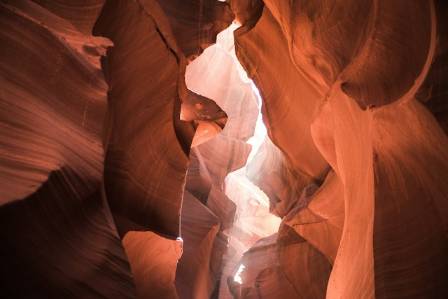
The defining feature of Antelope Canyon is its extraordinary light. The sandstone seems to do more than simply reflect its natural colours; it almost appears to contain and release them. Shades of red, orange and gold seem to travel across the walls in ways I had never encountered elsewhere.
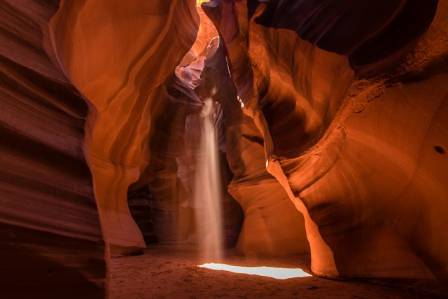
However, capturing the particular photograph I wanted required more than simply being in the canyon. Timing was equally important. The narrow opening in the canyon allows a distinct column of sunlight to descend into the passage only when the sun reaches a sufficiently high position in the sky. Being there at precisely the right time of day was essential to witnessing the effect.
Working Quickly in Changing Conditions
The combination of extraordinary scenery and the pressure of limited time made the experience especially memorable. Because the available light could disappear quickly, I relied on a tripod whenever conditions allowed so I could maintain image sharpness. Even so, there was little opportunity to stop and deliberate for long.
Although the tour was specifically intended for photographers, the group continued moving through the canyon at a steady pace. When the curves, patterns, shadows and sunlight finally aligned, I had to react almost immediately and make the most of the short opportunity.
An Almost Abstract Landscape
What stands out most strongly in my memory is the strangely abstract character of the canyon. At certain points, it felt less like photographing a conventional landscape and more like studying shapes, surfaces and motion.
The smooth, flowing sandstone formations, confined passages and constantly changing illumination produced compositions that were difficult to anticipate. A scene could appear completely different from one moment to the next, and many of the most interesting forms seemed to reveal themselves only when I was standing directly in front of them.
Capturing a Fleeting Moment
That quality is what I feel this photograph continues to preserve. It represents more than a recognizable image of a famous destination. It captures a short-lived moment when the canyon seemed to organize itself around a particular arrangement of light.
Antelope Canyon is undeniably spectacular, but its lasting impact on me came from something more personal. The experience felt fundamentally different from every other place I have photographed, and that unusual combination of sandstone, shadow, colour and fleeting sunlight is what has made it so memorable.
More from the cart
Cup · en
Best Off-Road SUVs in 2026
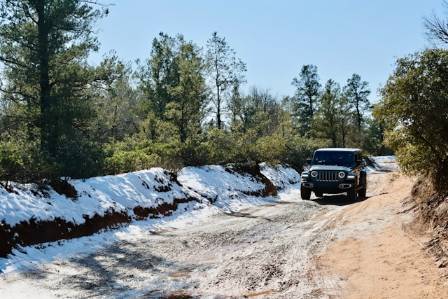
Few people remember the COVID-19 pandemic fondly, but one unexpected outcome was the surge in interest in outdoor recreation. Activities such as camping, overlanding, and off-roading attracted a huge number of newcomers during lockdowns and travel restrictions. Although off-road travel had already been growing in popularity throughout the previous decade, the pandemic accelerated the trend dramatically.
Cup · en
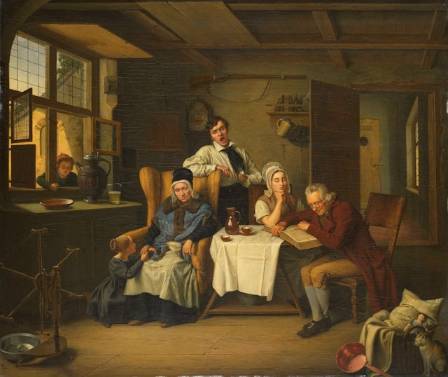
Four Stages And Five Tips to Master Realistic Portrait Painting
Painting a striking portrait that you can proudly showcase or sell is a dream for many artists. Yet, the challenge of capturing lifelike features, expressions, and flesh tones can often deter painters from venturing into portrait work.
Cup · en
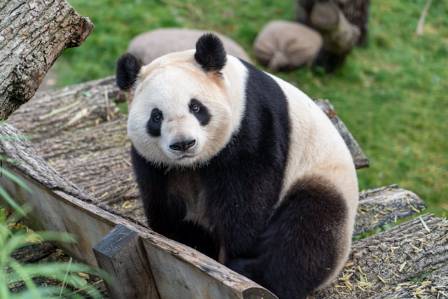
The Resurgence of the Giant Panda: 15 Remarkable Insights
The giant panda serves as a premier example of how dedicated conservation efforts can reverse the fate of a species. Once teetering on the edge of extinction, the giant panda saw its status upgraded from "endangered" to "vulnerable" in 2016, with wild populations finally showing an upward trend. Beyond their status as a global icon, these bears play a fundamental role in maintaining the balance of their natural habitats.
Cup · en
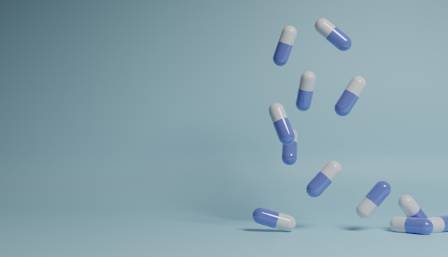
The Unexpected and Fascinating History of Capsules
Capsules are everywhere across the globe today. Over eighteen percent of all medications use this popular delivery method. Most patients and consumers prefer capsules over other oral drug forms. Recent industry studies show that forty two percent of regular supplement users select products in capsule form. That preference rises to fifty six percent among heavy supplement users.
Cup · en
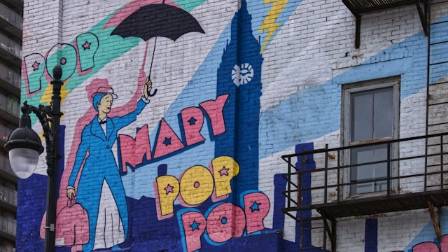
Simple Street Wall Painting Ideas
Street wall painting is one of the most approachable and expressive forms of urban creativity.
Cup · en
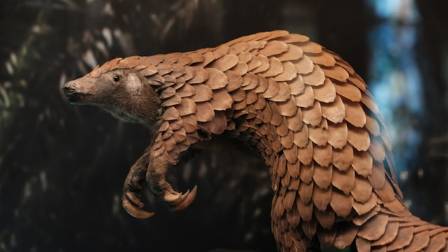
Pangolins: The World’s Only Scaly Mammals
Pangolins are unlike any other mammal on Earth. They are the only mammals whose bodies are protected by overlapping scales from the head all the way to the tail. These unusual animals have many fascinating adaptations, from rolling themselves into a protective ball when threatened to using remarkably long, sticky tongues to collect ants and termites.